Experience design
Concepts where motion, light, and response pull a crowd — for retail, events, exhibitions, and brand spaces.
Interactive & IoT
Interactive installations, connected devices, and IoT solutions: the physical end of the interactivity we are named after. Melbourne-based; delivered Australia-wide and internationally where the brief needs us.
What you get
Concepts where motion, light, and response pull a crowd — for retail, events, exhibitions, and brand spaces.
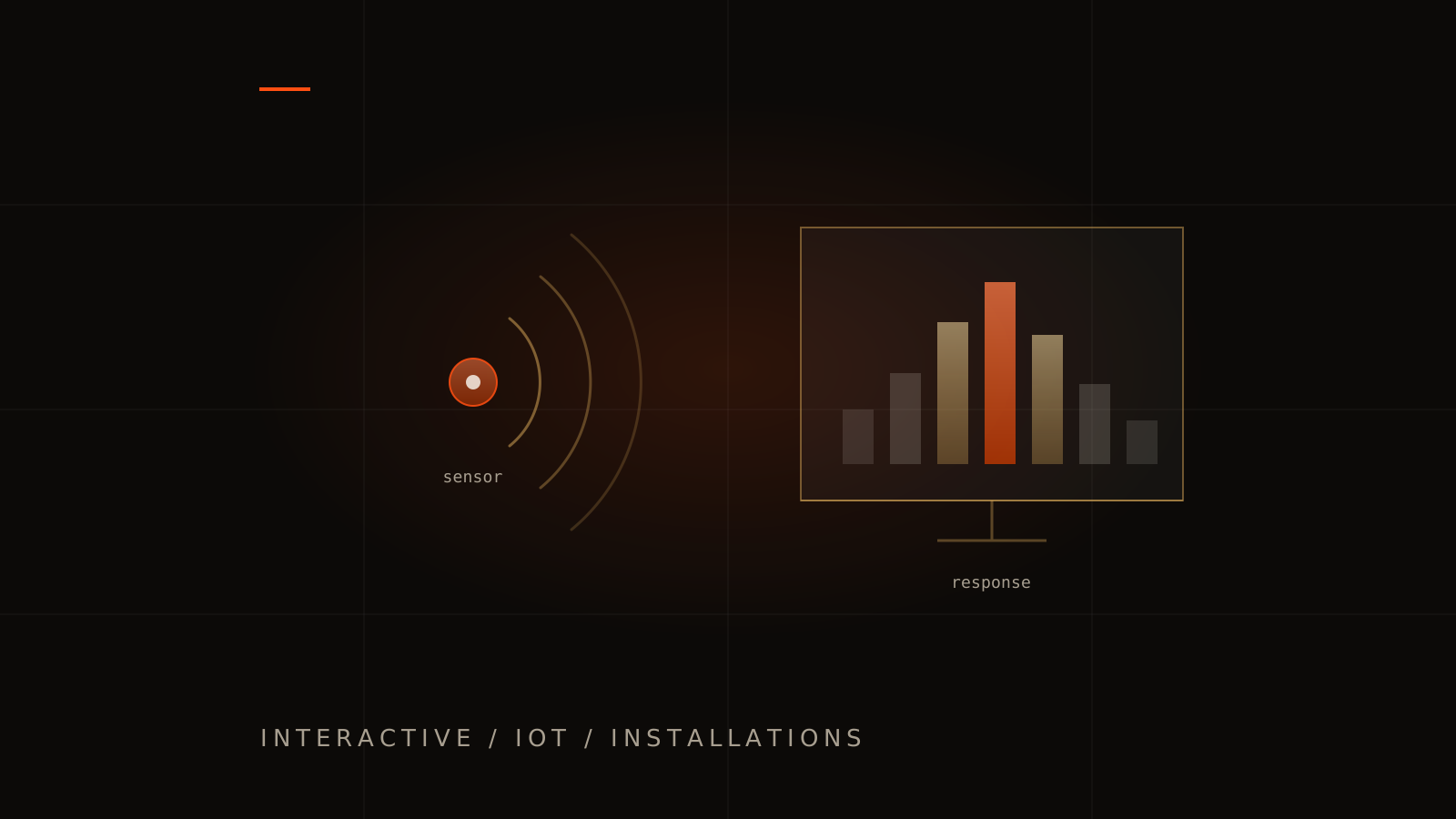
Touch, motion, proximity, and environmental sensors wired to software that reacts in real time.
Connected devices with dashboards to monitor, control, and learn from them — data you can actually act on.
From prototype to installed hardware with the software maintained, monitored, and improved over time.
Fit
Retail activations, exhibitions, and events where a screen on a stand is not enough. You want something people photograph, touch, and talk about after they leave.
Sensors, displays, and devices that need monitoring, remote control, and data you can act on. Not a prototype that works once and then dies in a cupboard.
If you need a generic iPad on a stand, hire one. We design and build custom experiences where the interaction is the point.
Industries
Flagship stores, pop-ups, and campaigns where motion, light, and response pull a crowd and feed data back to your marketing team.
Trade shows, festivals, and public installations built to survive a weekend of hands, then pack down without drama.
Lobbies, venues, and visitor experiences where connected devices improve operations as well as delight guests.
Outcomes
Experience design, sensors, software, and on-site install from one Melbourne studio. No handoffs between a creative agency and a developer who never met.
Remote monitoring, updates, and support so an installation keeps working after opening night, not just in the rehearsal.
Installations can feed CRM, analytics, and follow-up marketing. Interaction is not just spectacle: it is a signal.
How it works
A Discovery Session to define the space, audience, and the interaction worth building. Sketches and a technical feasibility check before you commit.
Working hardware and software you can test in context. Cheap changes now, not expensive surprises on install day.
Production hardware, on-site setup, and handover with documentation your team can reference.
Remote monitoring, fixes, and improvements so the installation performs for the full run, not just launch night.
Proof
Real builds, not stock screenshots. See how the craft lands for clients like you.
Case study
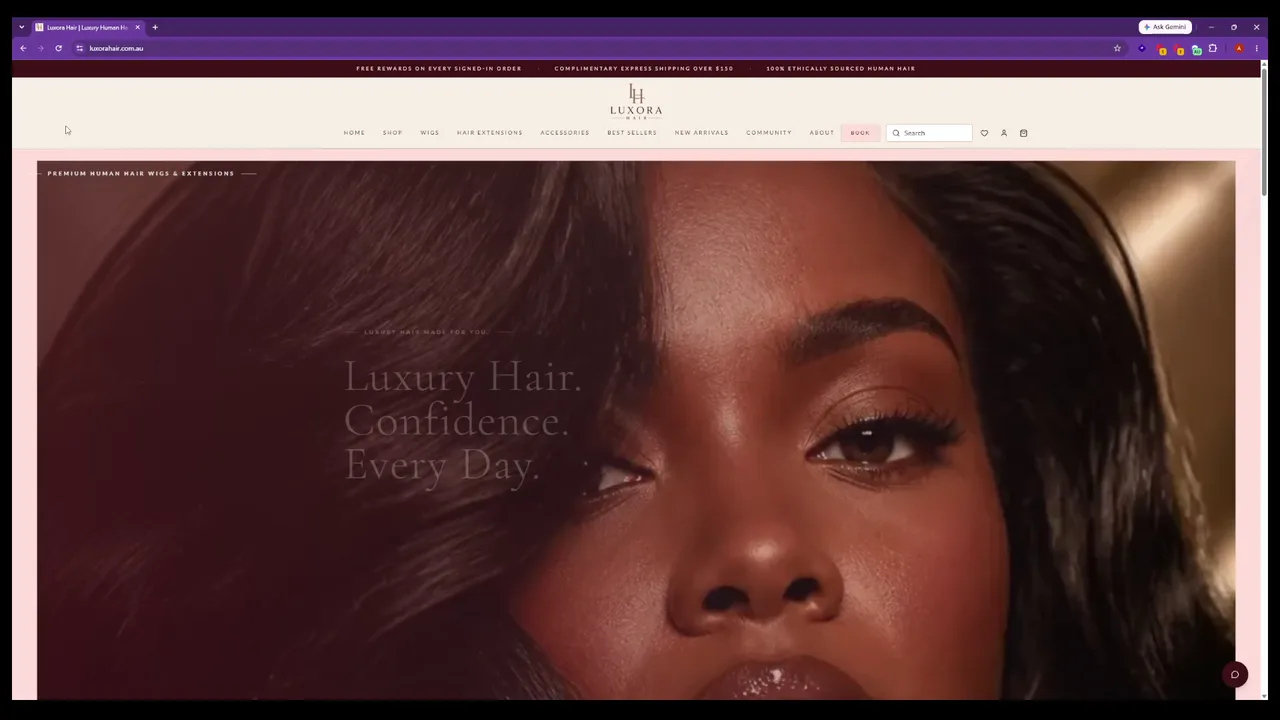
Case study: Luxora Hair, a custom Australian luxury hair ecommerce platform.
View project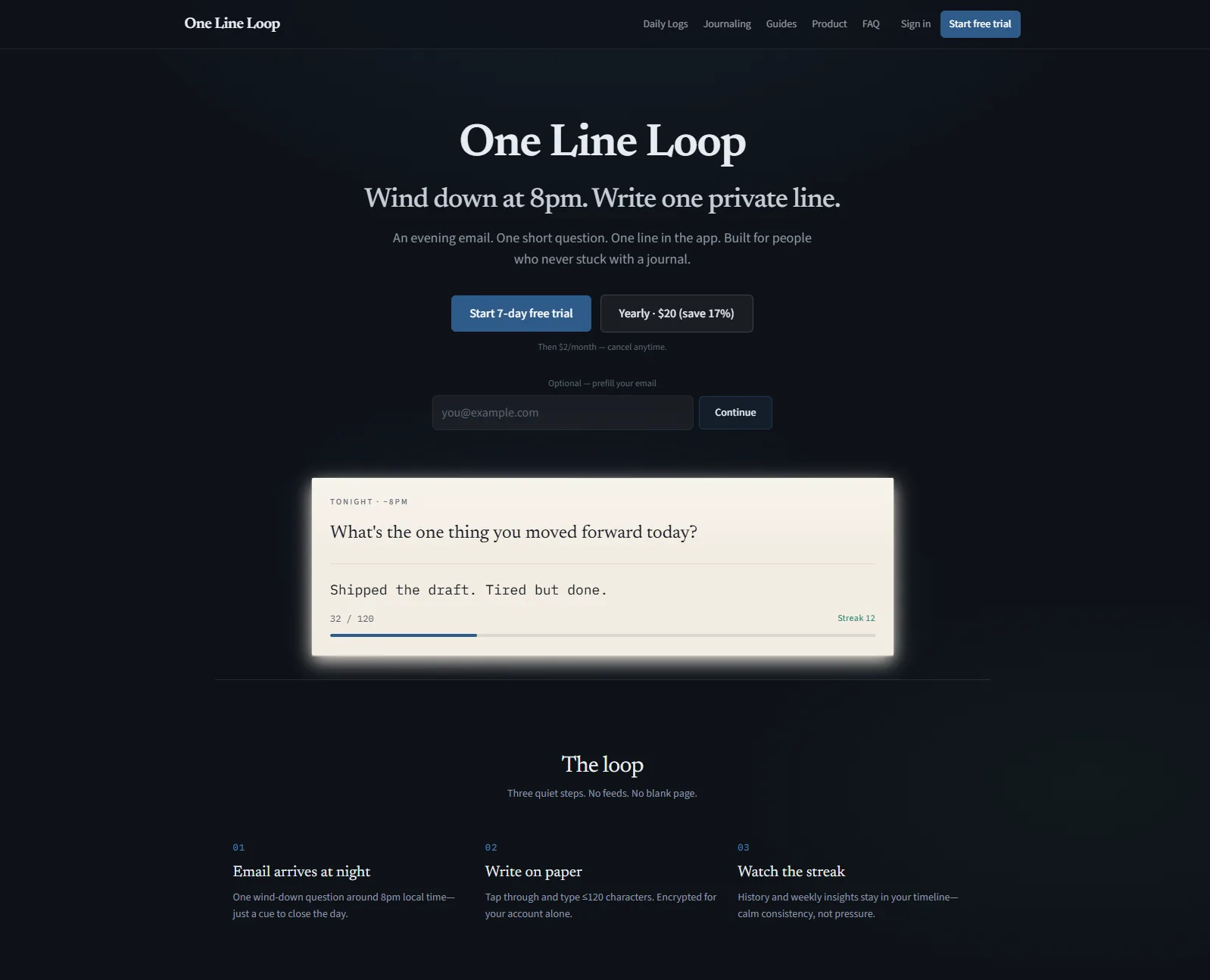
Case study
Case study: One Line Loop, an email-first daily journaling app.
View project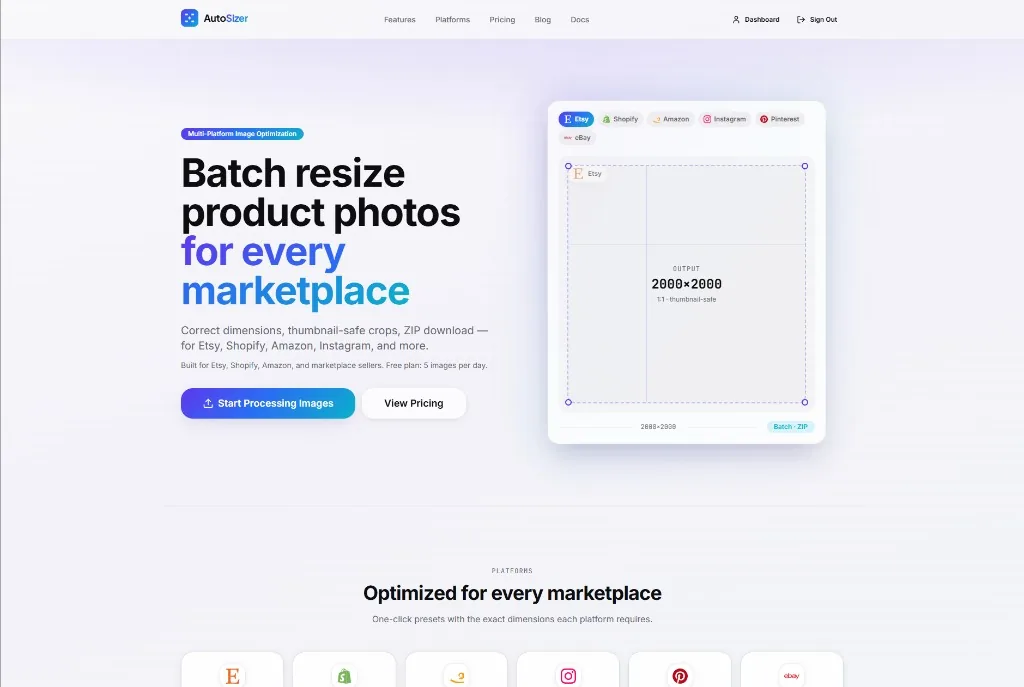
Case study
Case study: AutoSizer, a browser-first image resizer for marketplaces.
View projectQuestions
A physical experience that responds to people — screens, lights, sound, or objects driven by sensors and software. Brands use them at events, in retail, and in public spaces to create moments people photograph and remember.
Yes — installations can feed data to your CRM or analytics, trigger follow-up marketing, and run on hardware we monitor remotely.
Small activations and single-sensor experiences start in the low five figures. Larger retail and event builds are scoped per project after a Discovery Session. Hardware, software, and install are quoted as fixed stages.
Yes. We install, test, and hand over in Melbourne and across Australia. For interstate or international events we coordinate with your venue and travel as needed.
Touch screens, motion and proximity sensors, environmental sensors, lighting, and custom controllers. We pick hardware that survives real public use, not lab conditions.
Yes. Ongoing monitoring, software updates, and hardware support keep permanent installations running. Pop-up builds can include pack-down and storage advice.
Simple prototypes can land in a few weeks. Full retail or exhibition builds typically need 8–15 weeks depending on fabrication lead times. Timeline is agreed before production starts.
Go deeper
Next step
Tell us about the space, the event, or the idea. We will bring the interactivity.