Security audits
A structured review of your websites, email, cloud accounts, and devices. See our dedicated Cyber Security Audit Melbourne page for scope, pricing from $1,300 + GST, and sample findings.
Cyber security
Cyber security services for small and mid-sized businesses across Australia and beyond: audits, privacy impact assessments, Essential Eight alignment, hardening, monitoring, and staff training explained in plain English, not fear and acronyms.
In the news
Headlines are not the brief. Unpatched tools, missing MFA, and third-party access are. We do preventative audits, IT training, and compliance systems. We do not run incident response.

What you get
A structured review of your websites, email, cloud accounts, and devices. See our dedicated Cyber Security Audit Melbourne page for scope, pricing from $1,300 + GST, and sample findings.
The Australian Signals Directorate baseline applied at small-business scale. For a full maturity assessment and adoption roadmap, see our Essential Eight Adoption Melbourne service, linked below.
Locking down the things most businesses leave open: WordPress and web app hardening, cloud account permissions, DNS and email security (SPF, DKIM, DMARC).
Ransomware-resistant backups that are actually tested. If the worst happens, you restore in hours — not negotiate in Bitcoin.
Most breaches start with a click. Short, non-patronising training and simulated phishing that turns your team into the first line of defence.
Ongoing monitoring of your sites and critical accounts, malware scanning, and a clear incident plan so a bad day stays a bad day, not a bad quarter.
Fit
You shipped with Cursor, Lovable, or a weekend prompt and now have users. We audit the app and the organisation around it before an unpatched admin tool becomes a Mathspace-class notice.
You run a real business on email, cloud apps, and a website, but nobody on the team has "IT security" in their job title. We give you a ranked plan and fixes you can actually afford.
You already have staff. You need an external baseline, training that is not theatre, and a compliance system mapped to Essential Eight or NIST. We are not a replacement SOC. We help your team close the gaps.
New CRM, AI feature, or customer portal going live without a privacy review. We assess APP gaps and technical exposure before collection starts, not after a client questionnaire or complaint.
If you need a glossy report to file away, or a retainer to un-hack a live breach, we are the wrong partner. We do preventative audits, hardening, and training. Active incidents go to the ACSC first.
Industries
Law firms, accountants, consultants, and agencies holding client data, email, and cloud files that attackers target because defences are often thin.
Job management apps, invoicing, and customer records on phones and laptops across sites. MFA, backups, and device hygiene without slowing crews down.
Online stores, payment flows, and customer databases where a breach costs trust as well as money. Website hardening and monitoring included.
Outcomes
No jargon walls. Every finding is ranked by likelihood and impact, with a clear fix and a price before we start work.
Australian Signals Directorate baseline strategies applied pragmatically: MFA, patching, backups, and access control sized for teams of five to fifty, not enterprise IT departments.
Sites on our care plans ship hardened with malware scanning and tested backups. For sites we did not build, we audit first and fix what matters most.
Across SMB audits we repeatedly find missing MFA on admin mailboxes, untested backups, and email DNS gaps. Those are fixable in days once ranked correctly.
How it works
A Discovery Session and audit of your current exposure — sites, email, cloud, devices, and people.
A ranked, plain-English risk report: what to fix now, what can wait, what it costs.
We implement the fixes — MFA, patching, backups, hardening — with minimal disruption to your team.
Ongoing monitoring, scanning, and quarterly reviews so security keeps pace as you grow.
Proof
Real builds, not stock screenshots. See how the craft lands for clients like you.

Case study
Case study: Luxora Hair, a custom Australian luxury hair ecommerce platform.
View project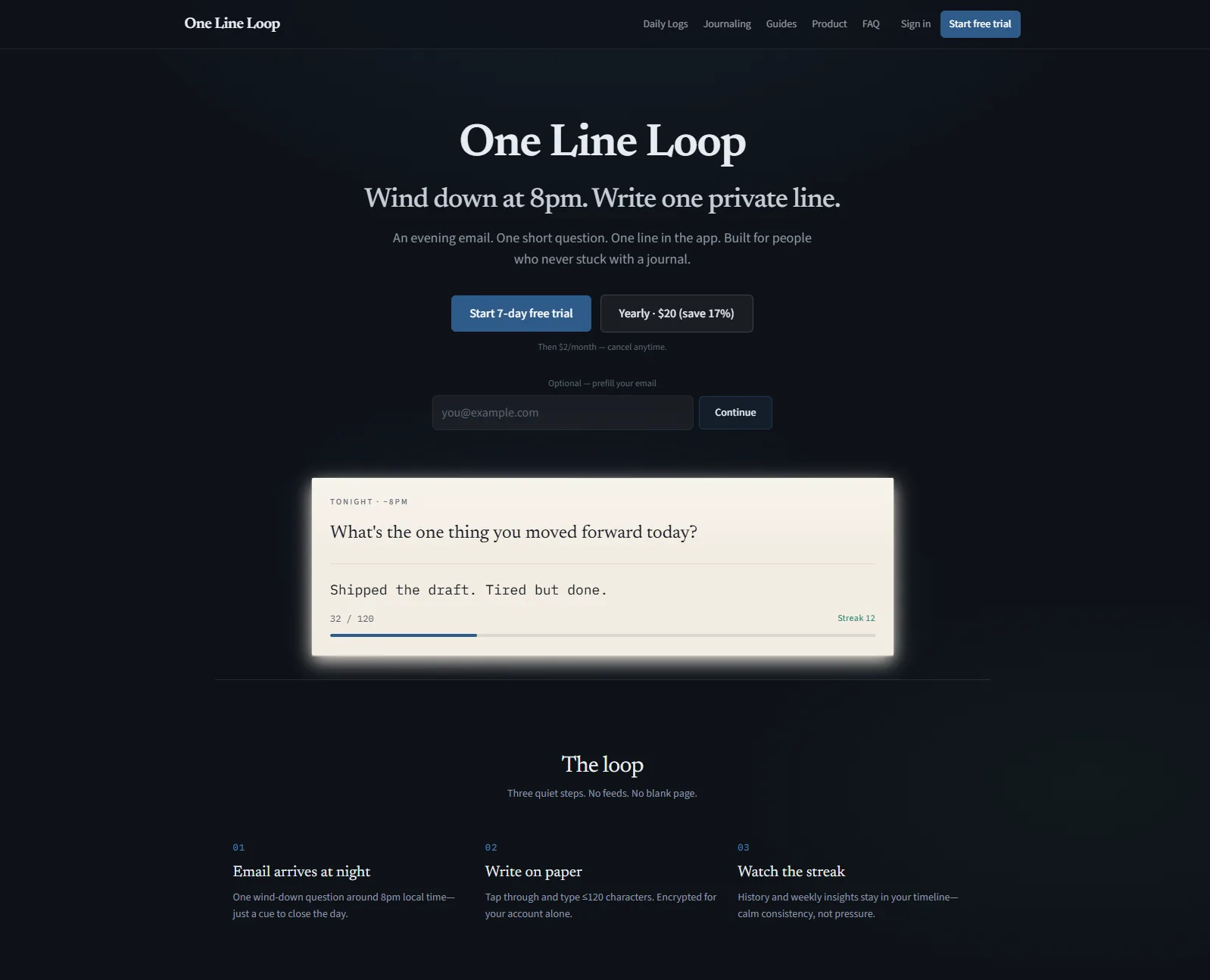
Case study
Case study: One Line Loop, an email-first daily journaling app.
View project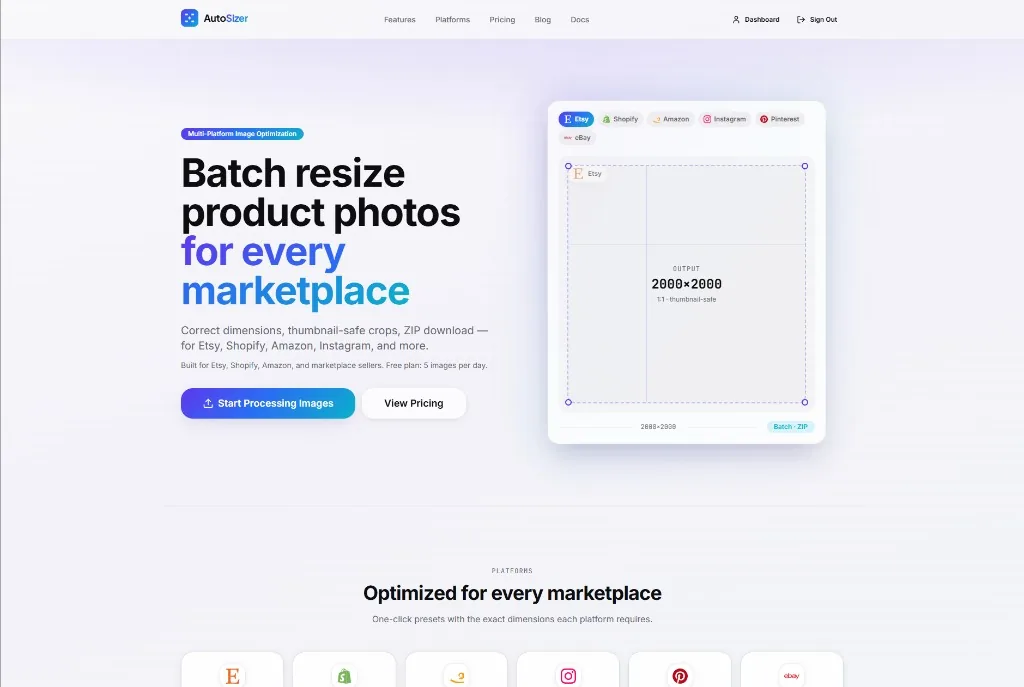
Case study
Case study: AutoSizer, a browser-first image resizer for marketplaces.
View projectTransparent pricing
No gated brochures, no “request a quote” games. These are the real starting prices.
Most popular
From $1,300 + GST
One-off assessment
Fixed items from audit
Quoted after the report
Scoped monthly
After the cleanup
Questions
Whenever a project changes how personal information is collected, used, disclosed, or sent overseas. Common triggers include AI tools, CRM migrations, loyalty programmes, and client security schedules. See our Privacy Impact Assessment Australia service for threshold and full PIA scoping.
Yes — small businesses are the majority of Australian cyber crime victims precisely because attackers assume they are unprotected. The average reported cost per incident for a small business runs into tens of thousands of dollars, and basics like MFA, patching, and tested backups prevent most of it.
The Essential Eight is the Australian Signals Directorate’s baseline of eight mitigation strategies — including multi-factor authentication, application patching, restricting admin privileges, and regular backups. We implement it at a scale and cost that makes sense for small and mid-sized businesses.
A one-off small-business security audit typically starts around $1,300 + GST, with hardening work quoted as fixed items from the report. Ongoing monitoring and management is a monthly engagement scoped to your systems. Everything is priced before work starts.
Yes — every website we build ships hardened by default, and our care plans include malware scanning, daily backups, and updates. For sites we did not build, we start with an audit and go from there.
If the incident is live, disconnect affected systems, change passwords from a clean device, preserve evidence, and report it via the Australian Cyber Security Centre at cyber.gov.au. We do not run incident response or forensics. After containment, book a Discovery Session for a preventative audit, staff training, and the compliance system that should have been in place.
Yes. Monthly engagements cover malware scanning, backup verification, patch tracking, and quarterly reviews so new staff, devices, and software do not reopen old gaps.
Yes. Short, practical sessions plus simulated phishing campaigns that measure improvement without embarrassing people. Most breaches start with a click, so your team is the first line of defence.
Done properly, no. MFA adds seconds to a login. Patching runs outside business hours. We design controls around how your people actually work, not around a textbook that assumes a full-time security team.
Go deeper
Next step
Request a Discovery Session. We will give you an honest read on your exposure and a ranked plan to close it, in plain English.