Threshold assessment
Go/no-go screen: does this project need a full PIA? Document the decision as your go-live gate.
Privacy impact assessment
Australian small businesses are launching AI tools, CRM migrations, and customer data projects without a privacy impact assessment. OAIC-aligned PIAs catch APP gaps while you can still change the design, not after a complaint or a client security questionnaire lands in your inbox.
Framework adoption
Privacy impact assessment services scoped as fixed-quote engagements: threshold reviews, full PIAs, and APP compliance checks aligned to OAIC guidance for Australian organisations.
Go/no-go screen: does this project need a full PIA? Document the decision as your go-live gate.
Identify who is affected and who needs input before you commit to a design.
Visual map of what personal information is collected, where it goes, and who can access it.
Likelihood and impact rated with mitigations tied to each material risk.
Structured check against Australian Privacy Principles relevant to your project.
Board-ready summary with recommendations, owners, and implementation priorities.
Follow-up to confirm mitigations landed before launch. No sign-off without evidence.
For serial project teams, templates and registers so adoption compounds across the organisation.
Fit
ChatGPT, Copilot, or a custom model processing customer emails and documents. If personal information is leaving your control, you need a threshold assessment before go-live, not a post-incident scramble.
Enterprise clients and government tenders increasingly ask for PIAs in supplier questionnaires. A documented assessment shows due diligence and keeps deals moving.
Turnover under $3 million does not mean you are exempt. Health data, sensitive information, and notifiable data breach obligations still apply. A threshold review costs less than retrofitting privacy after launch.
High privacy risk projects require a PIA under the Australian Government Agencies APP Code. We follow the OAIC ten-step process.
Industries
Patient data, referrals, and telehealth platforms where APP 11 security and APP 3 collection limits need documented analysis before systems go live.
Loyalty programmes, personalisation, and payment flows with clear information flow maps for marketing and ops teams.
Client portals, document automation, and AI drafting tools assessed before client data enters a new pipeline.
Outcomes
Retrofitting privacy controls, notifying affected individuals, and answering OAIC enquiries costs far more than assessing risk while the project is still on paper.
If personal information is lost or disclosed without authorisation, the NDB scheme may require notification to the OAIC and affected individuals. A PIA documents what you checked before that happens.
Ongoing legislative changes strengthen privacy obligations for Australian organisations. PIAs are how you show you assessed impact before collection, not after regulators ask.
How it works
Quick screen: does this project need a PIA, and at what depth?
Document flows, systems, vendors, and overseas disclosures.
Privacy risks and APP gaps with mitigations proposed.
Deliver the PIA report and agree what must happen before go-live.
Read the OAIC trigger guide, or talk through privacy and cyber together. Discovery still sends a fixed quote before any work starts.
Request a Discovery SessionProof
Real builds, not stock screenshots. See how the craft lands for clients like you.
Case study
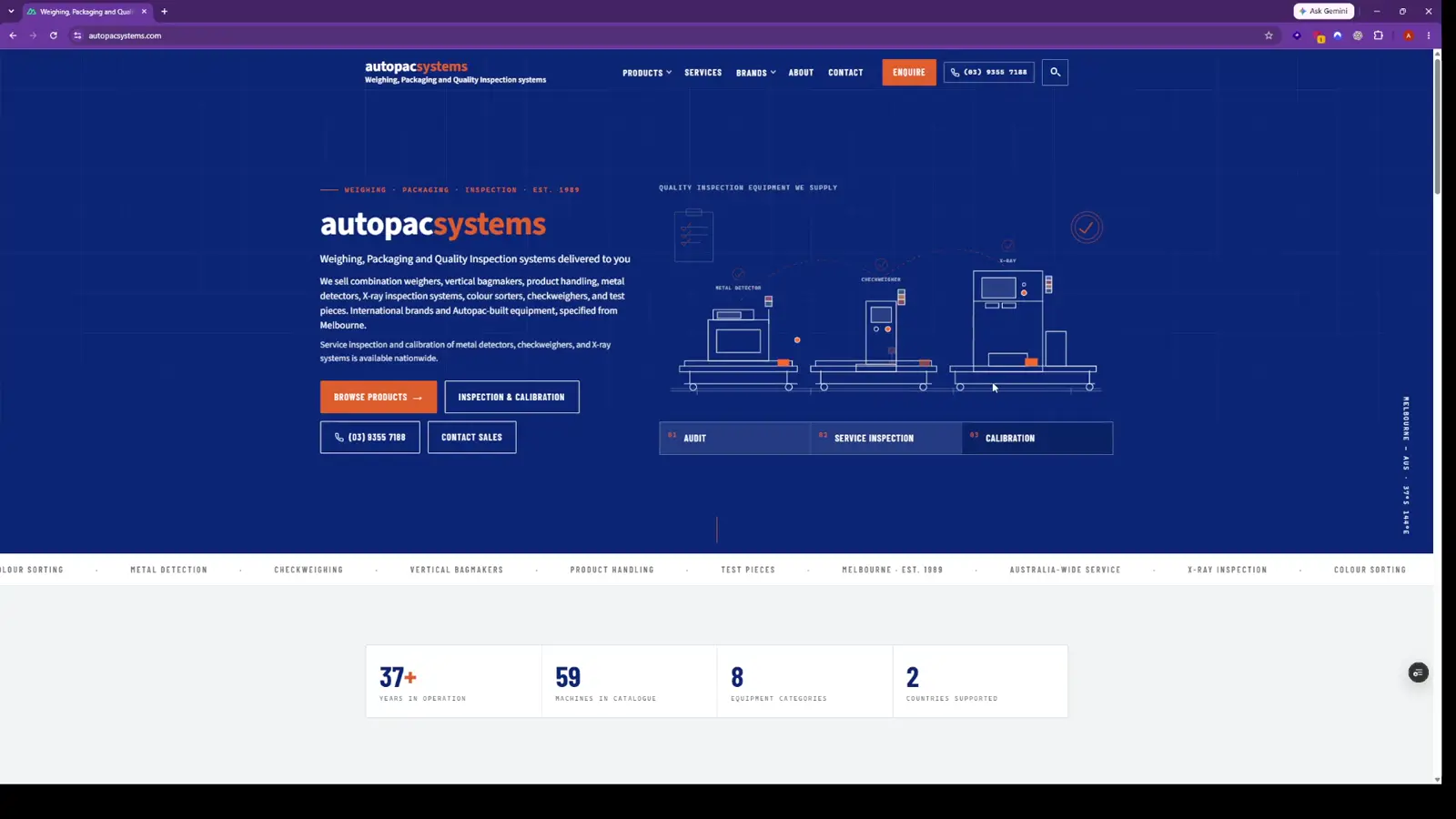
Case study: Autopac Systems, a Melbourne catalogue for weighing, packaging and inspection equipment.
View project
Case study
Case study: Luxora Hair, a custom Australian luxury hair ecommerce platform.
View project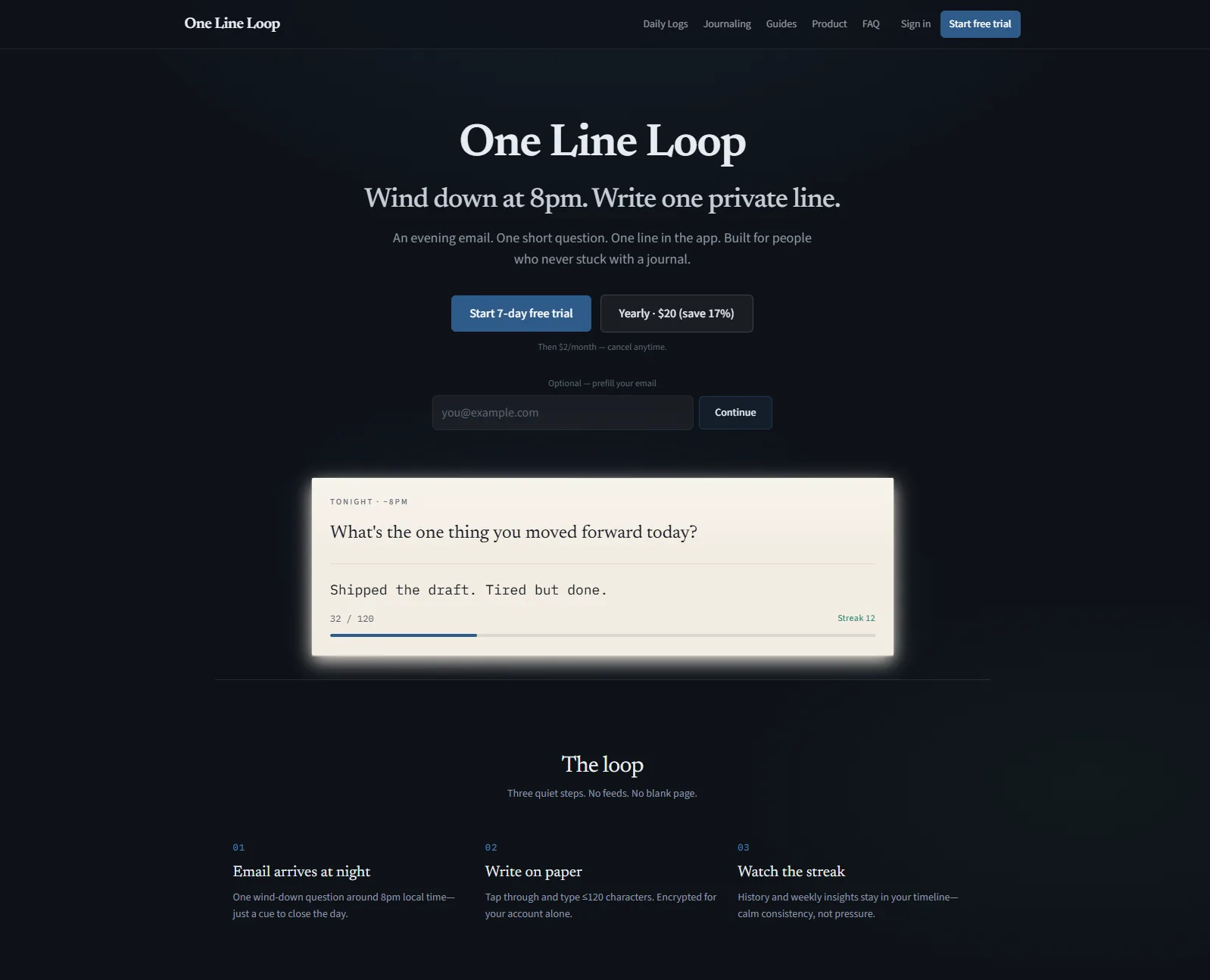
Case study
Case study: One Line Loop, an email-first daily journaling app.
View projectQuestions
A Privacy Impact Assessment is a structured review of how a project collects, uses, discloses, or stores personal information, aligned to OAIC guidance and the Australian Privacy Principles. It identifies privacy risks and mitigations before go-live, not after a breach or complaint.
You may launch with undisclosed privacy risks, face harder remediation after go-live, and struggle to answer client or OAIC questions if something goes wrong. A threshold assessment is the minimum due diligence step and often takes one to two weeks.
Not necessarily. Many small businesses handle health information, employee records, or other triggers that bring Privacy Act obligations regardless of turnover. Even when not legally mandated, enterprise clients increasingly require PIAs in supplier forms.
A documented threshold or full PIA report aligned to OAIC guidance, with information flow maps and APP compliance notes. We scope the depth to match what the questionnaire asks for.
No, but the window is closing. A threshold assessment can complete in one to two weeks if stakeholders are available. Delaying until after launch means changing live systems instead of fixing the design.
Not always by law, but federal agencies must conduct PIAs for high privacy risk projects. Private sector organisations are strongly encouraged by the OAIC, and Privacy Act reforms continue to strengthen expectations.
Often yes. AI features usually involve new collection, inference, or third-party model processing. A threshold assessment confirms whether a full PIA is warranted.
Threshold reviews can complete in one to two weeks. Standard PIAs for a single project often run three to six weeks depending on stakeholder availability.
A privacy policy tells customers how you handle data generally. A PIA analyses a specific project before you build it. You need both, but they serve different purposes.
No. We provide privacy and compliance advisory aligned to OAIC guidance. Your lawyer should review anything that needs formal legal sign-off.
Official guidance
Go deeper
Next step
Request a Discovery Session. We will scope a threshold or full PIA and send a fixed quote before any work starts.