Flutter developers · Melbourne

Flutter app development for iOS and Android

Commission a Flutter app with a clear first release, shared business data and a plan for operating it. Our Luxora Hair project connects a customer app and staff administration to an ecommerce backend, alongside a separate public storefront.

Transparent pricingMelbourne · WorldwideNo lock-in contracts
Flutter App Development Melbourne

Built by Alphesda

See the work behind the service

A customer app and an operator product

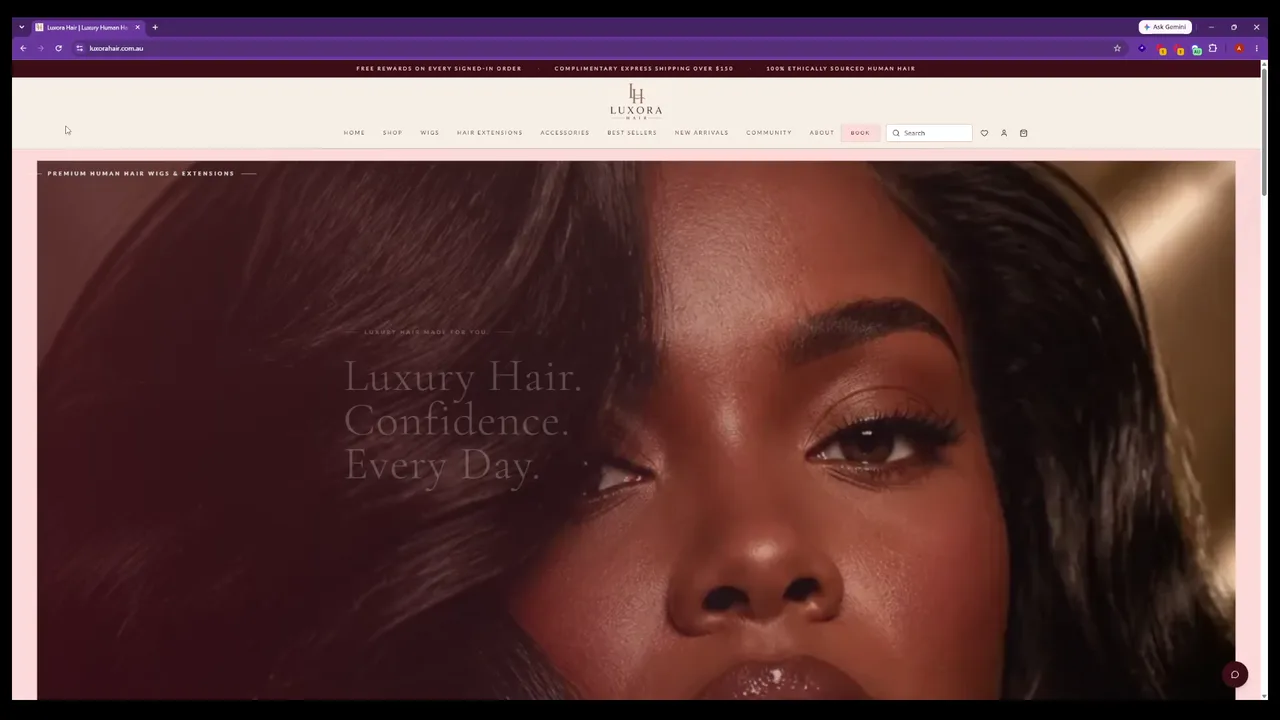
For Luxora Hair, we used Flutter for customer and admin applications, with Firebase Auth, Firestore and Storage behind them. The implementation includes catalogue, cart, membership and staff publishing. The published architecture explains the Flutter web, iOS and Android targets.

Read the Flutter implementation case study ↗
A public storefront alongside the app

The same project uses Next.js for public product and category pages. This separates search-readable catalogue content from the application experience. It is a useful model when an app still needs people to discover its products through ordinary web searches.

Plan a connected storefront and app ↗

The first release

One codebase still needs a complete brief

Choose the workflow to prove

Define who signs in, what they can do and the one task the first release must complete. An internal job tool, a shopping app and a two-sided marketplace need different account roles, business rules and support. We price a release from those requirements.

Share data and permissions deliberately

Map the data shared with your website, CRM or existing backend. We define access rules for customers, staff and administrators, and keep sensitive operations on the server. A successful sign-in does not by itself give a user permission to read another customer’s records.

Review device-specific work early

Camera, notifications, location, offline behaviour and payments can change the scope. We identify the plugins, native configuration, permission prompts and physical devices that need testing. Shared application code reduces duplication while platform-specific requirements still need work.

Design interrupted journeys

Decide what happens when a connection drops, a payment is interrupted or the same action is submitted twice. We agree recovery and support paths alongside the normal journey. The test plan follows the data from the app through the backend and back to the person using it.

Make release ownership explicit

Agree ownership of the source repository, backend accounts, signing credentials and store accounts. The handover includes build and release instructions and responsibilities for future operating system and dependency updates. Store submission support and store approval are separate steps.

Maintain the product after launch

Bug reports, crash information, usage events and customer support feed the next release. We agree the care arrangement and how larger changes are quoted. App analytics should record useful product actions while keeping personal form data out of event parameters.

Fit

Who this is for

Founders with a first customer workflow

You can name the audience and the task they currently struggle with. We turn that into a prototype and a staged implementation, with a first release small enough to review and test.

Businesses adding mobile to an existing service

A functioning website or backend can become the starting point. We inspect the APIs, access rules and data ownership before quoting an app that depends on them.

Teams taking over an existing Flutter app

Bring the repository, build instructions, plugin list and known issues. We review the current state before committing to a rescue or rebuild. An AI-built app may fit the existing production-readiness audit service.

How it works

A process without black boxes

  1. Scope

    Choose the first workflow, account roles, integrations and acceptance checks.

  2. Prototype

    Review the screens, navigation and failure recovery before committing to the full implementation.

  3. Build and inspect

    Review working increments, backend access and device behaviour against the agreed scope.

  4. Release and hand over

    Prepare builds, store submissions where required, monitoring and the next-release process.

Proof

Work that backs the pitch

Inspect the published Flutter architecture and customer/admin implementation behind Luxora Hair.

Questions

Straight answers

How much does a Flutter app cost with Alphesda?

Our published app starting prices are $4,000 + GST for a focused internal tool, $11,000 + GST for a web app MVP and $26,000 + GST for a cross-platform mobile build. Flutter is a technology choice within the brief. Screen count, account roles, integrations, native device features and testing determine the final staged quote.

Can Flutter serve iOS, Android and the web?

Flutter supports those deployment targets, but the product still needs a decision about what belongs on each. Our Luxora Hair work uses Flutter customer and admin applications beside a Next.js public storefront. We assess public content, search discovery, device features and existing systems before choosing the surfaces.

Can you connect Flutter to Firebase or an existing API?

Yes. We inspect the API contract, authentication, data permissions and failure behaviour. Luxora Hair is a published Firebase example. Existing systems may need backend changes as well as a new app, so we scope both sides of the connection.

Can you finish an app another developer started?

We can review it. Share the source, known issues, build instructions and account ownership information. We establish what builds, what can be reused and what needs repair before proposing a scope. The $200 + GST vibe coding audit applies to one eligible existing AI-built app, with implementation quoted separately.

Will you handle app store submission?

Our cross-platform mobile service includes store submission support. We agree who owns the developer accounts, prepares store content, handles policy questions and maintains the app. Approval depends on the platform review and the application submitted.

Next step

What must the first release let someone do?

Send the audience, one core workflow, the systems it needs to connect to and any existing repository or prototype. We can turn that into a staged app brief.