Online stores · Melbourne studio

Ecommerce website development in Melbourne

Build an online store around how you sell and fulfil orders. We design product pages, payments, customer accounts and the staff tools behind them. Our published work includes Luxora Hair and The Makeup Co, with product, membership and administration journeys you can inspect.

Transparent pricingMelbourne · WorldwideNo lock-in contracts
Ecommerce Development Melbourne

Built by Alphesda

See the work behind the service

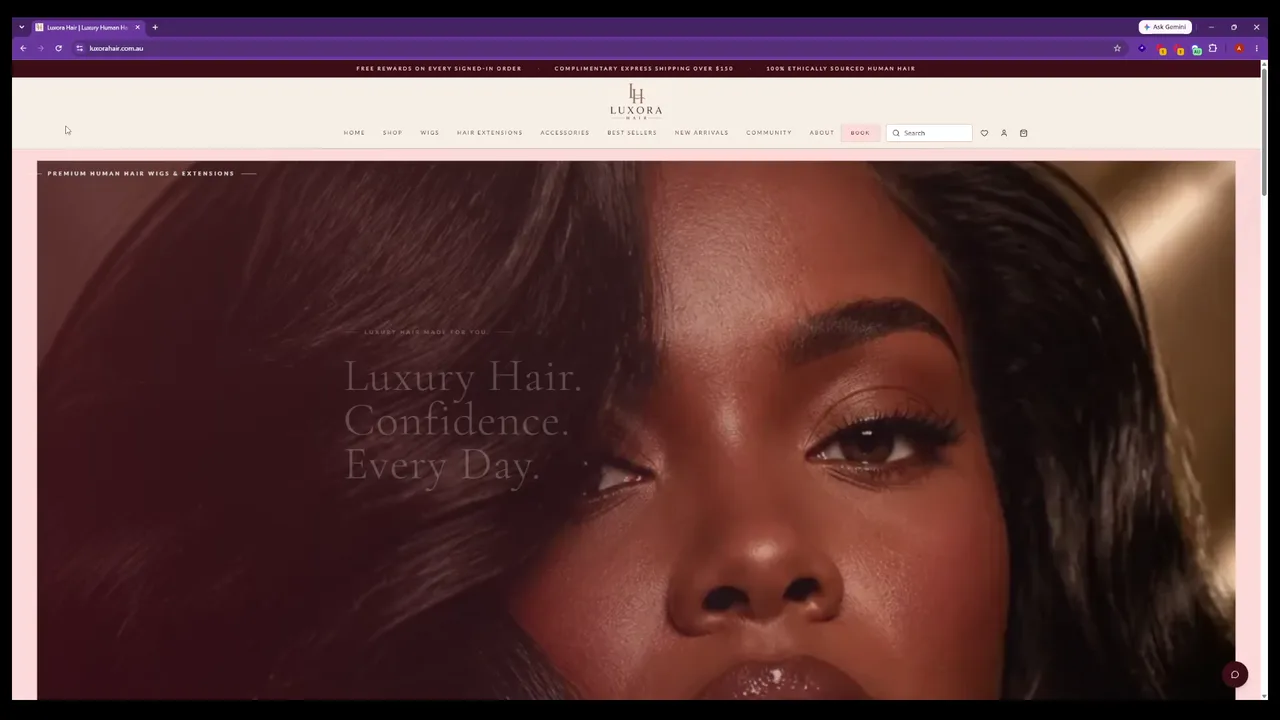
Luxora Hair: storefront and customer app

We built the public Next.js catalogue, Flutter customer and admin apps, and shared Firebase commerce data. The project includes Stripe checkout, membership and a custom wig configuration flow. Its case study explains how the public pages and signed-in applications fit together.

Inspect the storefront, app and architecture ↗
The Makeup Co: members, products and brands

The Makeup Co combines product shopping with Pro Membership and brand hubs. The implementation covers the customer journey and an admin CMS so the team can maintain the catalogue. This is a useful reference when different customers need different access or benefits.

Explore the membership commerce build ↗

Your sales operation

Design the order, then the store

Catalogue and product decisions

We map categories, variants, product options, stock sources and the information a buyer needs before paying. Send a small sample of your real products and the way staff maintain them. A clean product model makes filtering, search, imports and later stock changes manageable.

Checkout and order state

Agree when an order is created, when stock is reserved and what confirms payment. We plan unsuccessful payments, duplicate notifications, refunds and staff corrections as part of the workflow. The customer receipt and the fulfilment view need to describe the same order.

Shipping, collection and fulfilment

Bring delivery areas, parcel sizes, pickup options and any product exclusions. We identify where a carrier or commerce platform can supply the rules and where your operation needs custom work. Staff need a clear view of which orders are ready to pack, collect or investigate.

Customer accounts and memberships

A retail customer, trade buyer and subscriber can have different permissions. We scope sign-in, member benefits, renewal, cancellation and staff access together. The Makeup Co and Luxora case studies show two different membership implementations.

Search visibility through a migration

Inventory existing product and category URLs before replacing a store. Map useful pages to their successors, preserve product information and check the rendered catalogue, canonical links, sitemap and internal navigation. Search performance needs monitoring after launch.

Administration and handover

The brief includes who changes prices, publishes products, sees orders and issues refunds. We agree access, import/export, edit training and ongoing support. Your team should be able to carry out its regular tasks without asking for a code change.

Fit

Who this is for

A first store with an operational plan

You can explain what you sell, how it reaches the customer and who handles returns. We help turn those rules into a catalogue and a checkout that staff can operate.

A store with requirements beyond its theme

Membership access, product configuration, booking alongside products or links to business systems can justify custom development. We review the existing platform before deciding which parts need to change.

A supplier who needs product enquiries

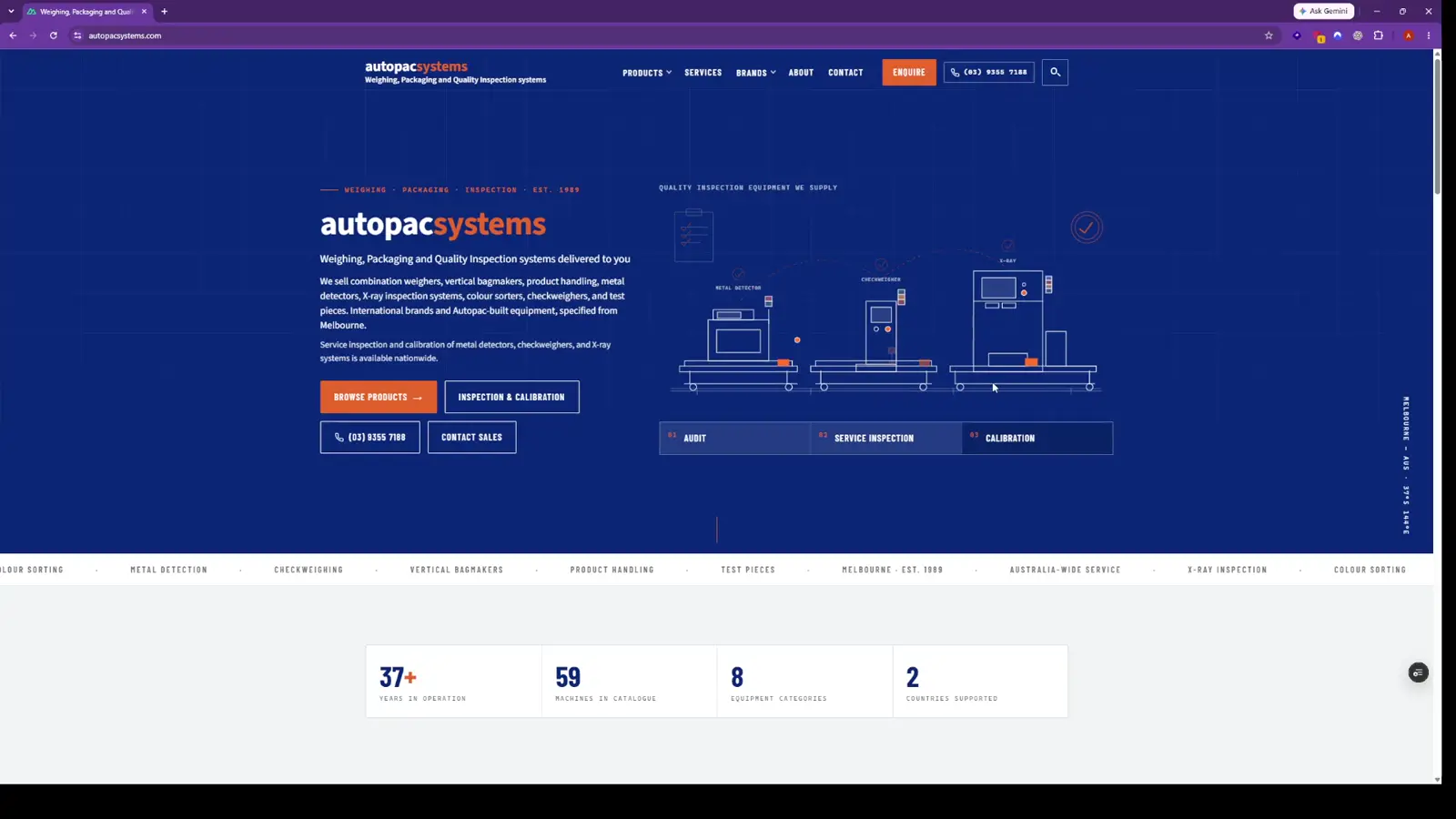
For machinery or configurable equipment, an enquiry catalogue can be a better fit than a cart. Our Autopac project connects machine specifications to a product-specific enquiry. We can scope that model with your sales team.

How it works

A process without black boxes

  1. Map the order

    Use real products, delivery rules and staff roles to agree the first launch scope.

  2. Choose the platform

    Compare hosted commerce, a custom storefront and a custom application against the agreed operation and ongoing costs.

  3. Build the full journey

    Design the catalogue, checkout, confirmation and staff views together, with staged reviews.

  4. Verify and hand over

    Check payments, stock and email behaviour using test facilities, prepare the URL migration, and agree launch and support responsibilities.

Questions

Straight answers

How much does an ecommerce website cost?

We quote ecommerce after checking the catalogue, checkout, shipping, memberships and integrations. Our standard website packages start at $399 + GST, with payment collection and booking integration included from Professional at $1,099 + GST. A full store with inventory and fulfilment needs a separate agreed scope. Provider subscriptions, transaction fees and ongoing care are part of the cost discussion.

Do you recommend Shopify or a custom ecommerce build?

We compare your product model, staff workflows, integrations and running costs before choosing. Standard retail operations may fit a hosted commerce platform. Requirements such as a shared mobile app, custom membership rules or product configuration can call for a different architecture. Our ecommerce planning guide explains the decisions to bring to the brief.

Can you migrate our existing shop?

Yes. First we inventory products, customers, order history, useful URLs and the systems depending on the shop. We agree the data migration, redirects, rollback and staff checks before scheduling the change. The amount of work depends on what your current platform can export and what the new system must preserve.

Can our store and mobile app use the same backend?

Yes, when the data model and permissions support both. Luxora Hair is a published example with a Next.js public storefront and Flutter customer and admin apps sharing Firebase commerce data. We document which parts share logic and which need platform-specific behaviour.

What should we send for an ecommerce quote?

Send your current site if you have one, sample products and variants, delivery and collection rules, staff roles, membership requirements, integrations and launch constraints. Include any recurring platform fees you currently pay so the comparison covers running the store as well as building it.

Next step

Let’s trace an order through your business.

Send a sample product, your current website and the parts of selling online that take the most staff time. We will use those to scope the build.